
Public Transport
America’s strength depends in part on whether its people can reach the places where they work, learn, and conduct their daily lives. In Escambia County, that often means having a dependable personal vehicle and enough money to keep it running. A breakdown, an unexpected repair bill, or an inability to drive can leave someone struggling to get to work or attend a medical appointment. Public transportation gives residents another way to meet those responsibilities. UAPAC supports improving ECAT so that taking the bus becomes a practical choice for more people and a dependable service for those who already rely on it. Better transportation can also help local businesses reach customers and workers, supporting the economic independence of our community.
The county has already identified many of the problems that make transit inconvenient. ECAT’s 2023 Comprehensive Operations Analysis examined indirect routes, overlapping service, and the need for more consistent frequency and better connections. The earlier Connections 2026 plan also identified priorities such as longer service hours, safer stops, and improved transfer facilities. These findings provide a basis for action and show that the need for improvement is well established, yet the county has largely been unable to implement much of anything suggested in these studies and plans. This highlights the failure in county leadership regarding transit. UAPAC believes county leadership must give these issues greater attention and explain how identified needs will be addressed. Residents should be able to see which improvements are funded, when they will happen, and how they will affect their trips.
Goals
In the short term, the priority must be making the existing bus system easier to use.
More direct routes between major destinations could shorten journeys, while connecting neighborhood routes could preserve access beyond the main roads. However, requiring someone to change buses only makes sense if the connection is dependable and the overall journey improves. Frequency and coordinated schedules therefore need to be central to any redesign. Early-morning, evening, and weekend service also deserve attention because work and other responsibilities continue outside traditional business hours. The county should judge proposed changes by the time it takes passengers to complete their journeys, including walking and waiting.
Reaching the bus safely is just as important as the ride itself. A nearby stop offers little help if getting there requires walking along a shoulder or crossing a busy road without adequate protection. Sidewalks, accessible ramps, pedestrian crossings, lighting, and drainage should be treated as part of the transportation service. UAPAC is dismayed by the condition and design of many current transit stations, where poor walkability and a lack of basic amenities make waiting and transferring unnecessarily difficult. Passengers should not have to navigate unsafe or disconnected sidewalks, stand without shade or shelter, or wait without seating, lighting, clear information, or convenient access to nearby destinations. Shelters, shade, seating, restrooms where appropriate, real-time arrival information, and protection from heat and heavy rain should be standard considerations rather than afterthoughts. UAPAC supports addressing these conditions alongside route improvements, with priority given to locations where passengers face the greatest difficulties. Maintenance must be included from the beginning so that improvements remain useful after installation.
In the medium term, Escambia County should establish better transit hubs at places people already visit.
Current Hubs do not offer any nearby areas of interest, making the stations deserted and empty. UAPAC argues that hubs need to be near areas of interest in order to be viable transfer hubs and sought after destinations. Cordova is a strong area to examine the possibility of a new station due to the proximity of Pensacola State College, shopping, healthcare, and employment. Downtown and UWF also deserve consideration as part of a connected network. Locating transfers near everyday destinations would allow more passengers to finish their trip at the station or accomplish something nearby without boarding another bus. The exact sites should be chosen through passenger data, public input, and coordination with surrounding institutions and property owners. A proposal should demonstrate convenient walking access, safe crossings, comfortable waiting areas, useful amenities, and efficient bus movements before the county commits to acquiring land or constructing a facility.
These hubs should be planned together with the streets and destinations around them. Passengers need short, understandable connections between buses and safe routes to nearby entrances. A station across a busy road from a college or hospital must include a practical way to make that crossing. A transit hub should also be more than a place where buses stop; it should be a welcoming, accessible, and functional public space with shade, seating, lighting, clear signage, weather protection, and convenient pedestrian connections. Cooperation with Pensacola, educational institutions, employers, and regional partners will be necessary to make these connections work. The Florida-Alabama Transportation Planning Organization provides an existing forum for coordinating transportation across local boundaries. The county should use that cooperation to improve access throughout the service area, including western neighborhoods that could otherwise receive little benefit from investments around Cordova and UWF.
In the long term, UAPAC supports developing frequent transit corridors that can accommodate the region’s growth.
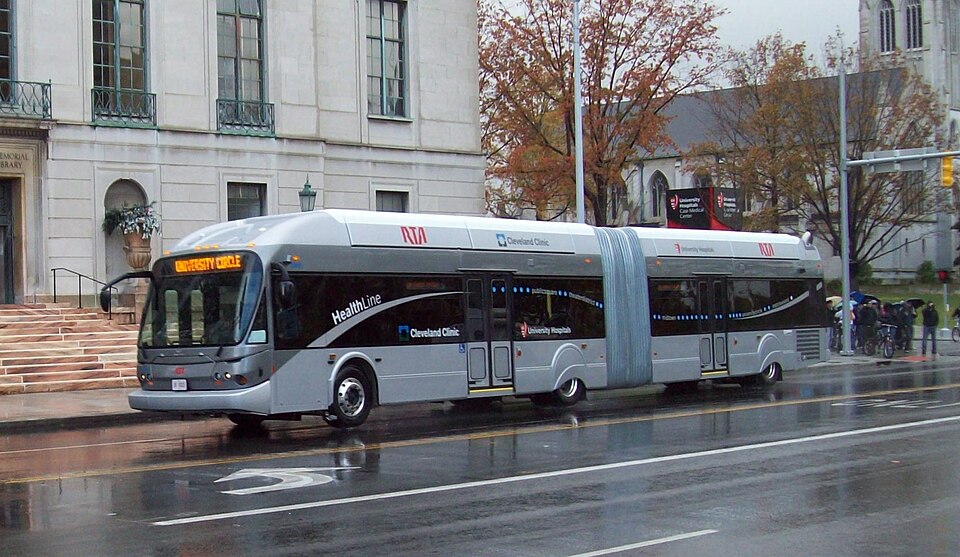
Bus rapid transit deserves serious consideration where passenger demand and roadway conditions support it. Features such as dedicated lanes, signal priority, improved stations, and faster boarding can help buses avoid delays and provide more consistent service. The Federal Transit Administration identifies these features as important elements of BRT. Their value in Escambia would depend on whether they meaningfully improve the trips residents make. Corridor planning should also account for future housing and employment so that transportation keeps pace with development.
Light rail should remain an option where its capacity and long-term benefits justify the additional investment. Choosing between rail, BRT, and improvements to ordinary bus service requires a fair comparison of expected demand, travel times, property impacts, and total costs. Each proposal must explain how vehicles, facilities, staffing, stations, amenities, and maintenance will be funded over time. New infrastructure should not repeat the shortcomings of current stations by creating facilities that are difficult to reach on foot or uncomfortable to use. Existing riders should also benefit from the investment through useful connections and dependable service across the network. UAPAC supports ambitious transportation planning when it is backed by evidence and a credible operating budget. The county must be willing to invest where the benefits are clear and revise proposals that do not meet that standard.
Escambia County’s next step should be a funded sequence of improvements with clear responsibilities and public deadlines. That should begin with service reliability, safe access, and improvements to existing stations, followed by station investments and larger corridor projects as the evidence supports them. Residents and employers should have a meaningful role in setting priorities and reviewing the results. Progress should be visible in shorter waits, dependable connections, safer and more walkable station areas, and transit facilities that provide the basic amenities passengers need. UAPAC will judge transportation proposals by whether a worker can make a shift, a student can reach class, and a family can manage everyday errands with less difficulty. Those are the results county leadership should be expected to deliver.